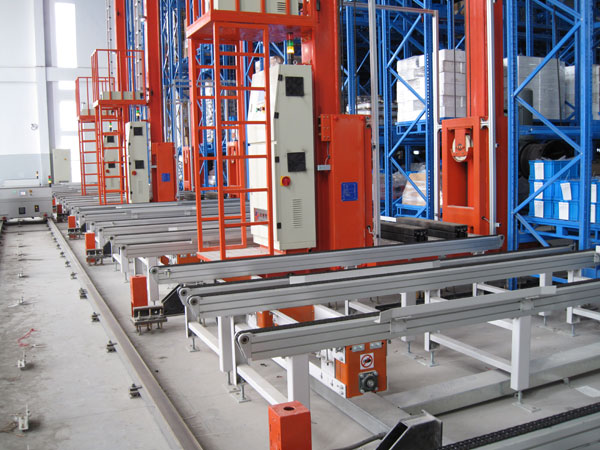
Logistics conveying equipment consists of numerous moving metal components. Therefore, attention to maintenance and upkeep is crucial for companies to realize returns on their investment. A scheduled maintenance plan is vital for conveyor reliability. Regular inspections and corrective actions help prevent minor issues from escalating into major system shutdowns. Maintenance and inspection personnel must meticulously document detailed dates, identified issues, and the procedures taken to resolve them. Effective record-keeping enables maintenance teams to track service requirements and assess the effectiveness of corrective actions. Proper documentation allows technicians to pinpoint problematic components, potentially identify faulty suppliers, detect improper operator use of the conveyor system, or determine other causes of wear and tear.
Generally, maintenance personnel should inspect conveyor belts every three months. If the conveyor system operates more than one shift, it is advisable to reduce the inspection interval to two months or one month. One benefit of scheduling maintenance in advance is that it allows conveyor system operators to complete work during periods of reduced business activity, rather than when the conveyor system is required to be 100% operational. Before testing and operating the conveyor system, ensure bearings and other drive components are properly lubricated. Additionally, regularly grease the transmission system.
1. Oil Levels
Regularly check all oil levels in the drive system. Insufficient lubrication is a common cause of failure in most mechanical systems.
2. Current and Voltage
Ensure equipment receives the correct current and voltage.
3. Adjust Conveyor Chain Tension
For new conveyor systems, ensure frequent adjustment of conveyor chain tension during the initial months of operation.
4. Frequent Lubrication
Lubricate the conveyor chain regularly. Apply lubricant slowly to prevent dripping.
5. Establish a Scheduled Maintenance Plan
Conduct regular inspections of conveyor lubrication. Avoid over-lubrication, but failure to lubricate may lead to significant and costly issues.
6. Inspect and Tighten Bolts
During the first half of operation, regularly inspect and tighten bolts on connecting brackets. Also, tighten nuts on equipment mounting bolts.