Many people opt for first-in, first-out (FIFO) when selecting warehouse shelving. But why is FIFO essential for automated warehouse management? In inventory management, the FIFO method is a common approach and remains widely used in current warehousing practices.
Based on the requirement of the prudence principle, FIFO is suitable for products whose market prices are generally trending downward. By adopting FIFO, the ending inventory balance is calculated based on the purchase price, making the ending inventory value closer to the current market price and accurately reflecting the company's asset status at the end of the period. The book value of ending inventory reflects the lower purchase price. For goods experiencing a downward price trend, this aligns with the prudence principle, mitigating the impact of falling prices and reducing operational risks. Consequently, it prevents the inflation of a company's book assets due to inflated inventory valuations.
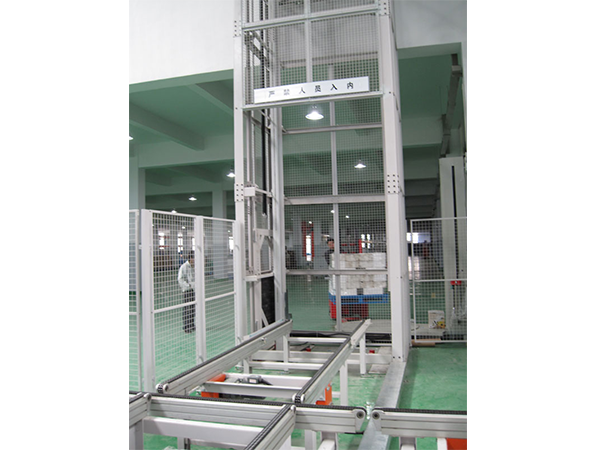
Additionally, the first-in, first-out method helps ensure all products are sold within their normal shelf life, controlling losses and reducing costs. It prevents companies from arbitrarily selecting inventory valuation methods to manipulate current-period profits. For customers, purchased goods should retain their usability throughout their shelf life. Selling expired products can lead to costly compensation claims and damage a store's reputation. For items without explicit expiration dates, FIFO ensures displayed products remain fresh.
FIFO Storage Tips:
1. Store facing aisles. To facilitate easy movement of items in and out of storage, the fundamental principle is to position items facing the aisles.
2. Stack vertically whenever possible to maximize storage efficiency. Utilize vertical space within the warehouse by stacking items upward. To prevent damage, use storage equipment like shelving whenever feasible.
3. Position items based on retrieval frequency. Place high-demand items near entrances/exits for operational efficiency; store low-turnover items farther away; seasonal items should be placed according to their usage periods.
4. Store similar items in the same area. To improve operational and storage efficiency, identical or similar items should be stored together. Staff familiarity with item locations directly impacts inbound and outbound processing times.
5. Allocate storage areas based on item weight. When arranging storage space, naturally place heavier items on lower levels and lighter items on upper shelves. For manually handled large items, use waist height as the reference point.