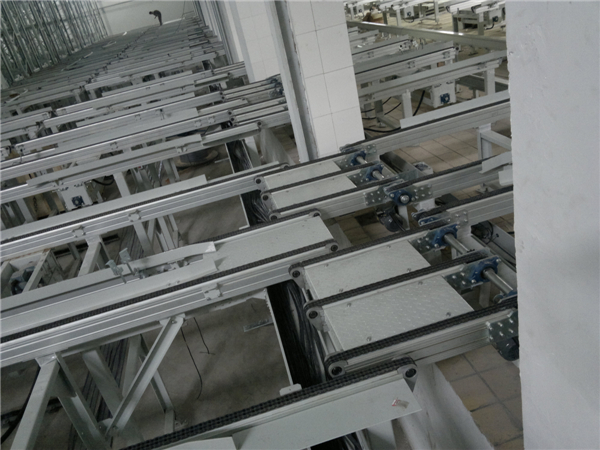
Shelf allocation refers to the method of assigning goods to appropriate storage locations after preparatory work—including storage space, equipment, strategies, and location numbering—has been completed. Proper shelf allocation enhances operational efficiency and reduces costs in automated warehouses, increases cargo throughput, optimizes labor utilization, maximizes space usage, and minimizes product damage. However, to achieve accurate allocation, one must understand the principles governing shelf assignment.
Location allocation encompasses two key aspects:
- Allocating suitable locations for incoming/outgoing materials (since multiple vacant storage locations may exist simultaneously), known as inbound location allocation.
- Selecting the location for materials awaiting outbound processing (as identical materials may be stored across multiple locations). Numerous principles govern storage location allocation.
For automated warehouses used in warehousing, the principles of location allocation are: